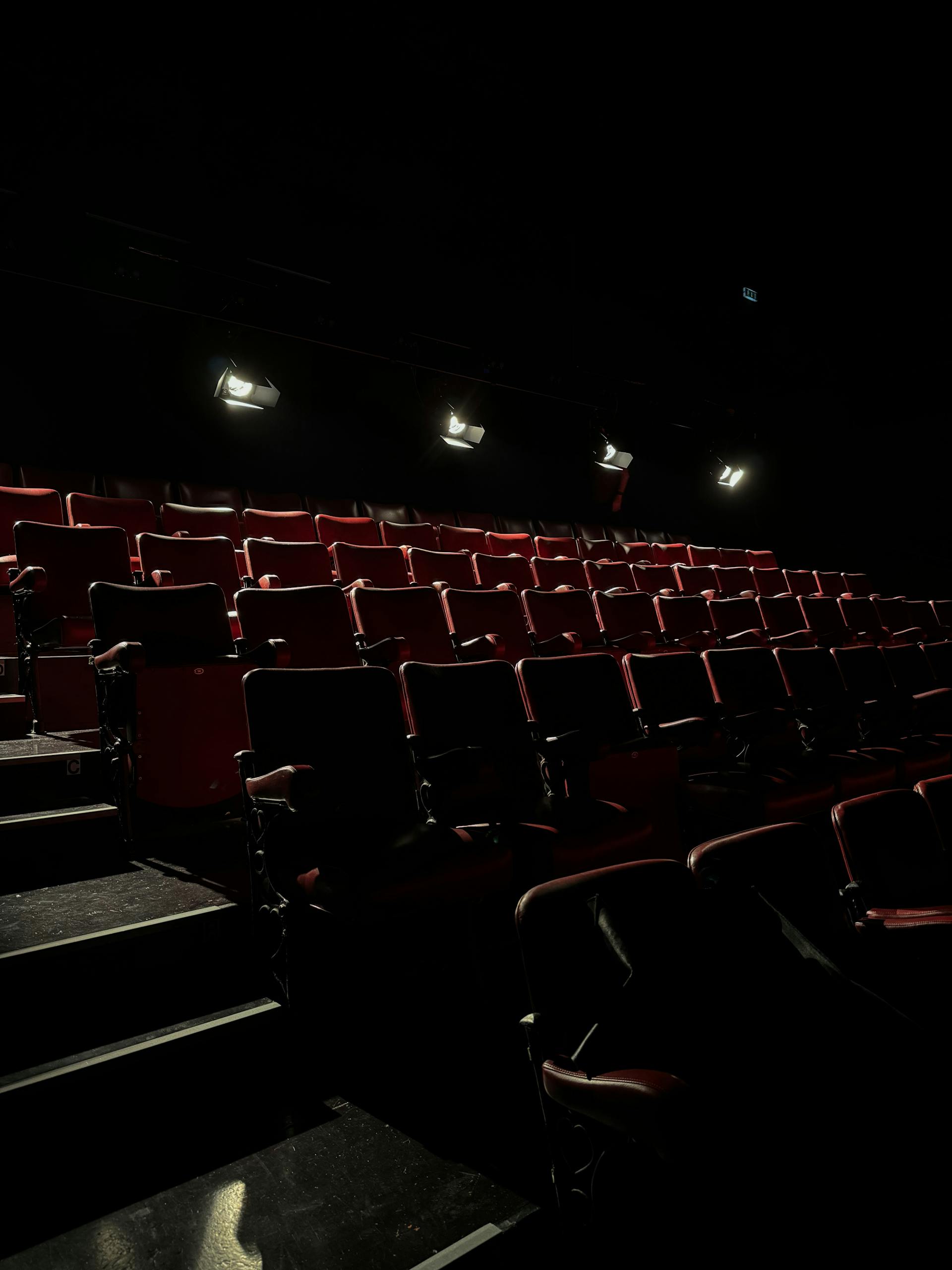
Centre Stage operates on the principle that the best theater happens when the audience surrounds the action. Since 1983, this 285-seat professional company has built its identity around a thrust stage — a configuration that eliminates the fourth wall entirely and demands a kind of performance that is raw, dimensional, and impossible to fake. It is, by design, theater without a safety net.
A Stage That Demands Honesty
The thrust stage is one of theater's oldest and most unforgiving configurations — the audience seated on three sides, the performer surrounded, every choice visible from multiple angles simultaneously. It is the configuration of Greek amphitheaters and Elizabethan playhouses, and it forces a fundamentally different kind of storytelling than the picture-frame proscenium.
Centre Stage's 285-seat house uses this configuration to create an experience that feels both communal and confrontational. Actors cannot cheat out to a single vantage point. Blocking must work in the round. The audience sees each other across the stage, creating a shared awareness that transforms spectatorship into participation.
For directors and designers, the thrust is a creative challenge that tends to produce the most inventive work. For audiences, it means no seat is more than a few rows from the action — and every performance feels like it's happening specifically for you.
 The 285-seat thrust — theater without a fourth wall.
South Carolina New Play Festival
Centre Stage is home to the South Carolina New Play Festival — one of the Southeast's most respected incubators for original theatrical work. The festival brings playwrights from across the country to Greenville for staged readings, workshops, and audience talkbacks that develop new scripts from first draft to production-ready.
The festival represents something rare in the regional theater landscape: a genuine commitment to new work, backed by the resources and audience to make that commitment meaningful. Playwrights who participate find not just a development opportunity but a community that takes new voices seriously — a place where a script can be heard, tested, refined, and potentially given its world premiere.
For Greenville, the New Play Festival is proof of something the city has been building toward for decades: that cultural infrastructure can attract creative talent, not just consume it. The playwrights, directors, and actors who come for the festival often leave as advocates for the city — carrying stories about a place in the South Carolina foothills where serious theater is being made.
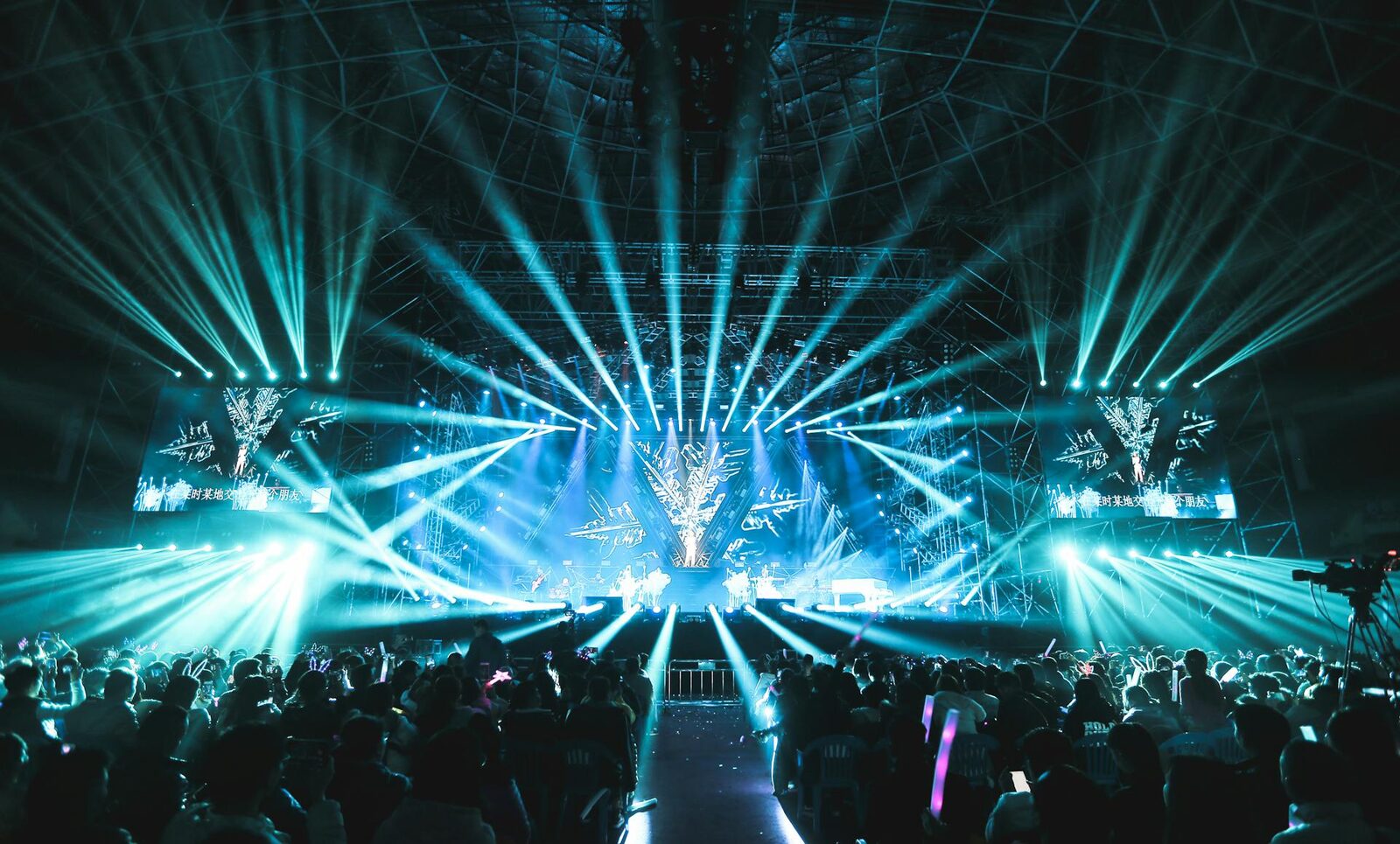 The SC New Play Festival — where tomorrow's American plays begin.
Four Decades of Bold Choices
Founded in 1983, Centre Stage has built its reputation on a willingness to program work that other companies in the region won't touch. The company's season typically includes a mix of contemporary drama, sharp comedy, and the occasional musical — curated with an eye toward relevance, quality, and the specific capabilities of the thrust stage.
This programming philosophy has created a loyal and adventurous audience — patrons who subscribe not because they know what they'll see, but because they trust the company to surprise them. It's a relationship built over forty years of consistently choosing ambition over safety, and it gives Centre Stage the freedom to take the kinds of risks that define the best regional theaters in the country.
The company also invests heavily in education and outreach, running programs that bring young people into the theater and develop the next generation of audiences and artists. It's a long-game strategy that reflects Centre Stage's understanding that a thriving theater requires a community that values the art form — and that community doesn't happen by accident.
A Stage Worth Knowing
Centre Stage's thrust configuration, engaged audience, and commitment to new work make it a distinctive venue for touring artists and companies working in the contemporary space. The 285-seat capacity strikes a sweet spot — large enough for economic viability, small enough for real intimacy.
See What's Playing
Centre Stage's current season continues the company's tradition of programming that rewards curiosity. For the full lineup, showtimes, and tickets:
Individual tickets, season subscriptions, and New Play Festival passes available.
Molly Wareham — Title role, The Essential Alice (2025)
Centre Stage hosts SCNPF; SCNPF launched Molly Wareham’s national career. The festival’s second season opened with the world premiere of The Essential Alice, directed by 2× Tony winner Des McAnuff, with Molly — a Fine Arts Center of Greenville County alumna — in the title role. She’s NYC-based now and currently casting.